Concepts

Structured coaching concepts for different players, groups, and Playing Levels.

Search

Playing Level

Topics

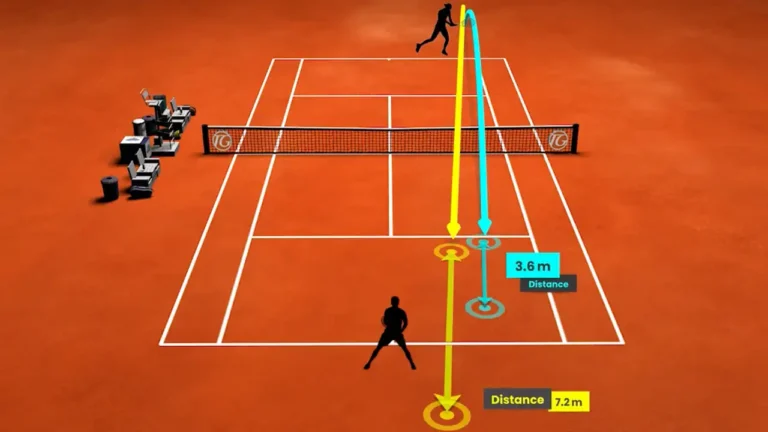
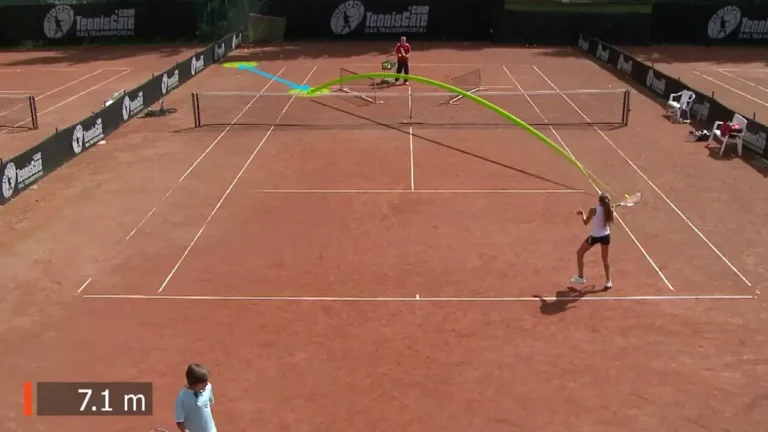
The Second Bounce: A Hidden Key to Control and Pressure

This video focuses on understanding ball trajectory and bounce behavior as a key element of effective training.

Train Like Nadal: The Power of the Second Bounce in Forehand Patterns

Train smarter: use Nadal’s forehand pattern and the second bounce concept to improve tactics, spin, and shot control.
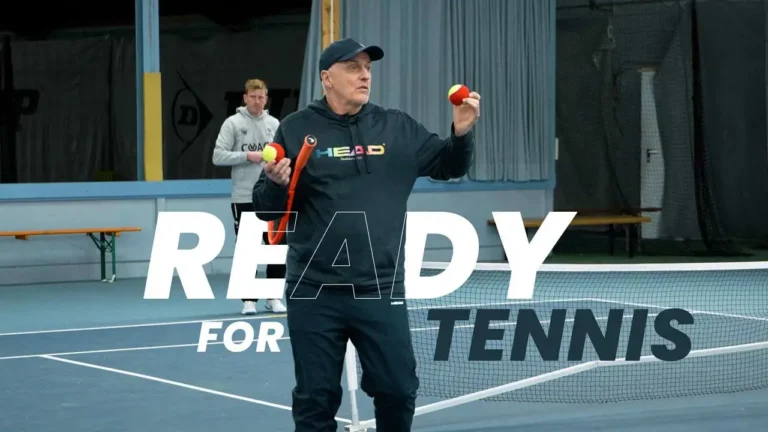
Ready for tennis – getting ready to play together

Whether teenagers or adults - the decisive factor is not perfection, but the ability to rally, serve, count and agree to play.
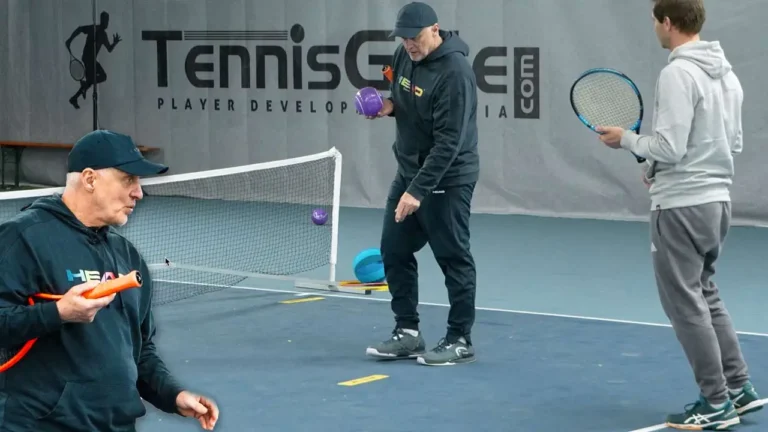
Simplify to Succeed – Meeting Players at Their Level

Successful training starts with the right methodology. Simplification and support create rallies, confidence, and long-term learning success.
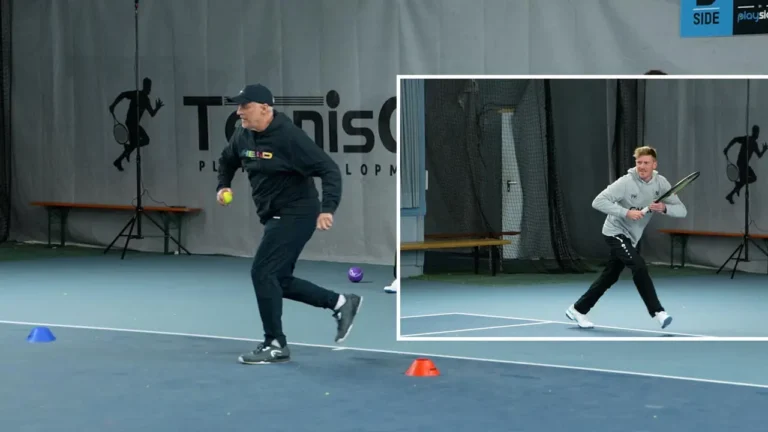
The footwork cycle in Level 2: Timing and explosiveness

Efficient footwork starts with the right split step. This is how you develop timing, explosiveness, and readiness to play at Level 2.
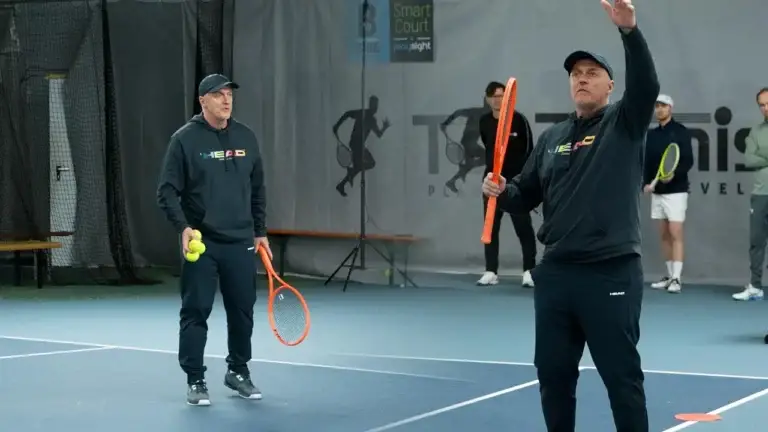
Serving from all positions – training versatility in a playful way

In this exercise, the classic serve is deliberately practiced from different positions on the court—not always from the baseline, but also further forward, from the ...

The 4-Level System for Groundstrokes: A Practical Guide for Coaches

Unlock the 4-Level System: A clear roadmap for coaches to build groundstrokes step by step – from rally basics to advanced shot mastery.

Methodical introduction to Level 1

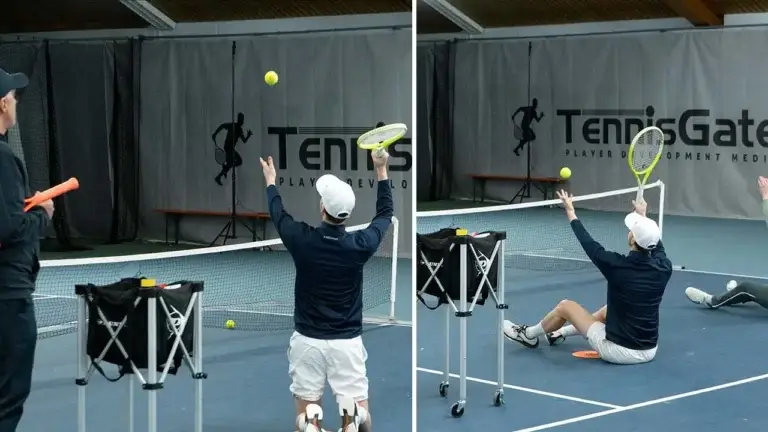
In this methodical introduction to Level 1 serve training, the movement sequence is simplified: the players sit on the floor and concentrate on a controlled ...

Covering the court starts at level 1

Even at entry level, it is worth giving the first impulses to cover the court - without any complex technical requirements.
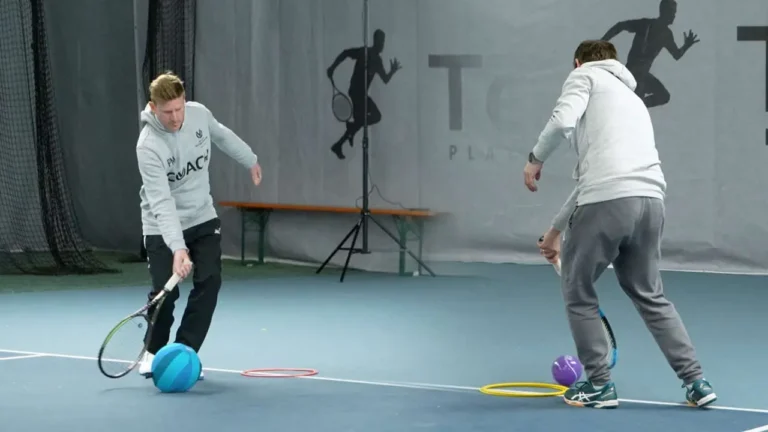
Rolling as an important interaction for beginners

If bounced balls do not yet work in children's training, the targeted rolling of the ball is an important methodical intermediate step.
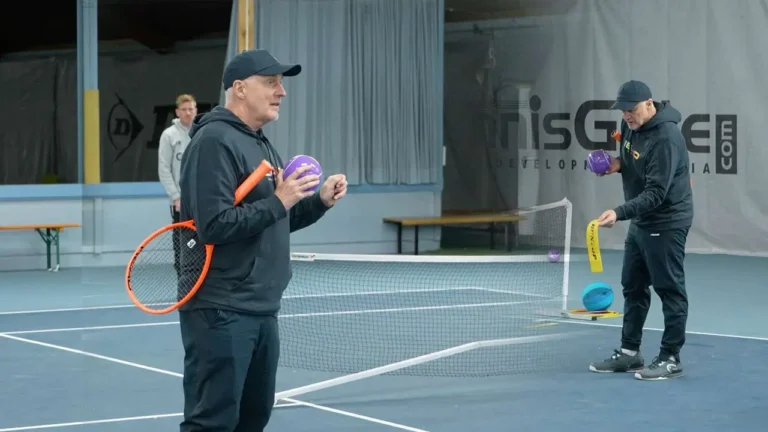
Reduced movement over the mini-net

Before children or even adult beginners can play safely over the net on mini tennis courts, they need a methodical approach.
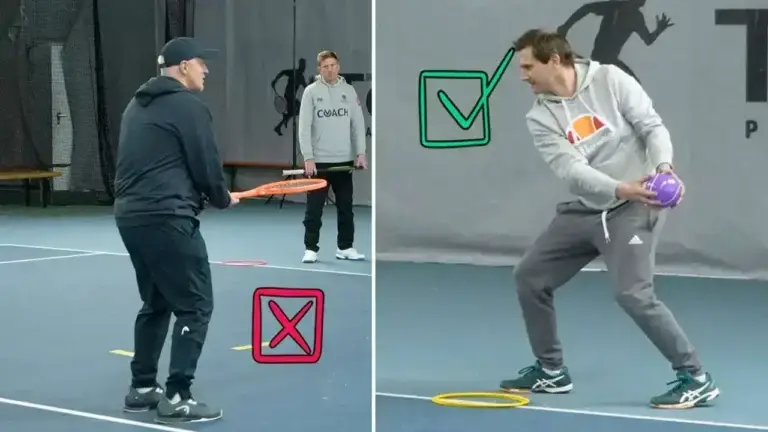
Encourage lateral movement patterns early on

A methodical transition that should not be missing in any basic training: lateral movement patterns.

Adapt the methodology to the players

Adapting the methodology to the players is crucial for training success. Coaches must be able to react flexibly: whether they adapt the exercises or incorporate ...

The control stroke calms down the rally

The control stroke helps to stop the ball, advance it and return it safely.

Snap it with control stroke

This partner exercise combines the "snap it" technique with stopping and presenting the ball, the control stroke.

Snap it with throwing

This exercise extends the ssimple "snap it" technique to include the partner pass. Two players act at a distance, throw the ball to each other ...

Footwork with the rolling hoop

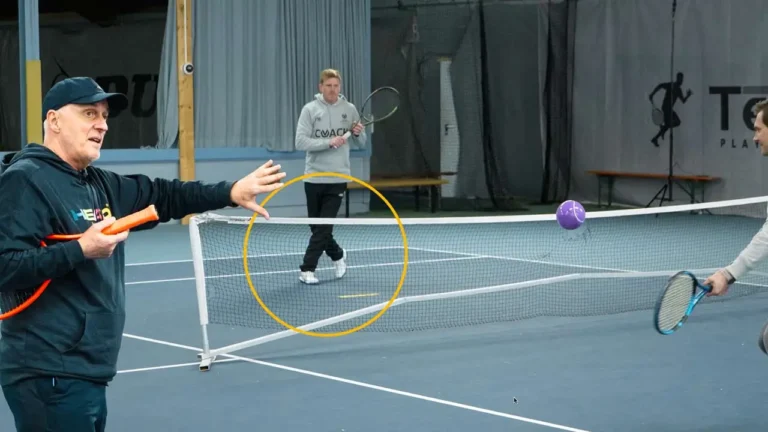
The goal is to move dynamically around the hoop without touching it and to jump into the standing hoop with both legs at the right ...

“Snap it”- First racquet ball interaction in beginner training

The "snap it" exercise is a playful way for children to start their first coordinated movements with a racket and ball.

Getting used to the ball without a net

The first training session in Level 1 does not start with a racket and net, but with basic ball familiarization.

Tools for level 1 – setting up the right foundation

In Level 1, coaches benefit from the well thought-out use of various tools - from softballs to method nets.

Training with beginners – from kindergarden to adulthood

Working with beginners requires sensitivity, patience - and the right concept.

More targeted teaching with the 4-level system

TennisGate's 4-level system helps coaches to assess their groups more precisely and select the right content.

Change the distance step by step

Instead of immediately switching to full court length, the distance should be gradually adjusted during training - depending on the level of the players.

How to modify drills with steps in the progression

Rather than labeling drills as "good" or "bad," their effectiveness depends on how well they support your training goals. Adjustments make all the difference.
Scroll to Top